
Medicine
How We Heal
Medicine for Curious Minds
A clear, accessible guide to how medicine understands and treats the human body — Expanded Edition
Introduction
Medicine is the practice of understanding, preventing, and treating illness and injury in human beings. It combines scientific knowledge of the body with practical skills, ethical judgement, and the effort to relieve suffering. At its best, it is both a science and a caring profession. It seeks not only to explain what has gone wrong but to intervene in ways that restore function, ease pain, and support people through vulnerability.
Most of us encounter medicine only when something goes wrong — an infection, an injury, a chronic condition, or the need for advice about staying well. Yet the principles behind medical practice shape how societies respond to disease, how research is conducted, and how individual lives are protected and extended. The same body of knowledge that guides a consultation in a clinic also underpins vaccination programmes, hospital organisation, and the development of new treatments.
This book explains the core ideas of medicine in plain language. You do not need any scientific or medical background. The aim is to give a clear overview of how the body works as a system, how disease arises, how doctors diagnose and treat, and how medical knowledge is developed and applied ethically. The goal is understanding rather than instruction in self-diagnosis or treatment. The book does not replace professional advice; it aims to make the medical world more intelligible so that conversations with clinicians and decisions about health can be more informed and less opaque.
We begin by asking what medicine is and how it differs from other ways of responding to illness. From there we explore the body as an integrated system, the nature of disease, the process of diagnosis, the main forms of treatment, prevention and public health, the relationship between doctor and patient, the role of evidence and uncertainty, ethical challenges, and the place of medicine in the modern world.
Each chapter stands on its own, but together they form a coherent picture of how medicine understands and seeks to heal the human body. By the end of this book you will have a clearer grasp of the principles that guide medical practice and a better sense of both its power and its limits.
So let's begin with the foundation: what medicine actually is.
Chapter 1
What Medicine Actually Is
Medicine is the organised effort to maintain and restore health through knowledge of the body, disease, and treatment. It draws on biology, chemistry, physics, and clinical experience, and it is practised within ethical and social frameworks that define what counts as proper care. It is practical in orientation: its ultimate test is whether it helps particular people.
Unlike folk remedies or purely traditional healing systems, modern medicine is committed to evidence: claims about what works should be tested and revised in the light of observation and experiment. Unlike pure science, medicine is directed toward the practical goal of helping particular patients rather than toward knowledge for its own sake. The two are closely linked — good practice depends on good science — but the priorities differ.
Medicine has several overlapping aims. It seeks to prevent disease where possible, to diagnose accurately when illness occurs, to treat effectively, to relieve symptoms and suffering, and to support patients even when cure is not possible. These aims sometimes pull in different directions and require careful judgement. A treatment that prolongs life may increase discomfort; a screening programme that finds early disease may also generate anxiety and unnecessary procedures. Balancing these aims is part of the work.
The practice of medicine involves both technical skill and human relationship. Knowledge of anatomy, physiology, and pharmacology is essential, but so is the ability to listen, explain, and share decisions with people who are often anxious or in pain. The best medicine holds both aspects together. A correct diagnosis delivered without care can still leave a patient feeling unheard; warm communication without accurate knowledge can lead to harm.
Medicine is also a social institution. It is organised through hospitals, clinics, research centres, professional bodies, and public health systems. These structures shape who receives care, how knowledge is produced, and how resources are allocated. They also create standards, training pathways, and systems of accountability. Understanding medicine therefore requires attention not only to the individual encounter but to the wider systems in which that encounter takes place.
Throughout its history, medicine has changed as knowledge has grown and as societies have changed their expectations of care. What remains constant is the attempt to bring reliable knowledge to bear on the concrete problems of human health and illness.
Medicine is practised by a wide range of professionals — doctors, nurses, pharmacists, therapists, and many others — working in teams. The traditional image of the single physician is incomplete; modern care is usually collaborative. Understanding the contributions of different roles helps make sense of how care is actually delivered.
Finally, medicine is shaped by the societies in which it is practised. Cultural beliefs about illness, trust in institutions, legal frameworks, and economic arrangements all influence what care looks like on the ground. The core scientific principles travel across borders, but their application is always local.
By the end of this chapter you can see that medicine is a practical, evidence-based, and ethically guided effort to understand and improve human health. It combines scientific knowledge with clinical skill and care for individual patients.
Chapter 2
The Human Body as a System
The human body is an integrated system of systems. Cells form tissues, tissues form organs, and organs work together in coordinated networks that maintain life. Understanding medicine begins with understanding this organisation. A problem in one part of the body often affects others; effective care therefore requires a sense of the whole.
Major systems include the circulatory system (heart and blood vessels), the respiratory system (lungs and airways), the digestive system, the nervous system, the immune system, the endocrine system of hormones, the musculoskeletal system, and the urinary and reproductive systems. Each has specialised functions, yet none works in isolation. The heart depends on the lungs for oxygen; the brain depends on the circulation for fuel; the immune system patrols every tissue.
Homeostasis is a central idea. The body constantly adjusts to keep internal conditions — temperature, blood sugar, fluid balance, oxygen levels — within narrow ranges necessary for cells to function. Disease often involves a breakdown or overload of these regulatory processes. Fever, dehydration, high blood sugar, and many other common problems can be understood as failures or extreme demands on homeostatic mechanisms.
Energy and materials flow through the body. Food is broken down and used for fuel and building blocks. Oxygen is taken in and carbon dioxide expelled. Waste is filtered and removed. These exchanges sustain the chemical activity of life. When any of the pathways is blocked, overloaded, or starved, cells suffer and symptoms appear.
The body is also a product of development and ageing. From conception through growth, maturity, and eventual decline, its capacities change. Medicine must take account of these different stages of life. A drug dose that is safe for an adult may be dangerous for a child; a condition that is common in older people may be rare and more serious in the young. Growth, reproduction, and ageing are not side issues — they shape how the body responds to stress and how treatment must be adjusted.
The body's systems are robust but not infinitely so. They have reserves and compensatory mechanisms, yet these can be exhausted. Understanding the normal organisation of the body is the necessary background for recognising when and how it goes wrong.
Communication within the body is constant. Nerves carry rapid signals; hormones carry slower, longer-lasting messages; local chemical signals coordinate activity within tissues. When these communication systems are disrupted — by damage, by deficiency, or by excess — the coordinated function of the whole is affected.
The boundary between the body and the external world is also important. The skin, the linings of the lungs and gut, and the immune system all manage the exchange and the defence against what comes from outside. Many diseases begin at these interfaces.
By the end of this chapter you can see that the body is not a collection of separate parts but a coordinated system. Health depends on the proper functioning and interaction of its many components.
Chapter 3
How Disease Happens
Disease occurs when the normal functioning of the body is disrupted in ways that produce symptoms, damage, or increased risk of harm. Causes are many and often interact. A single disease label can cover a range of underlying processes, and the same process can produce different clinical pictures depending on which tissues are affected.
Infectious diseases are caused by microorganisms — bacteria, viruses, fungi, or parasites — that invade the body and trigger immune responses. Some are mild and self-limiting; others can be severe or chronic. The body's defences usually clear or control these invaders, but sometimes they fail or overreact. The severity of an infection depends on the properties of the microbe, the dose, the route of entry, and the state of the host's immune system.
Non-infectious diseases arise from other processes. Genetic variations can predispose people to certain conditions or, in some cases, make a disease almost inevitable. Wear and tear, chronic inflammation, and the accumulation of cellular damage contribute to degenerative diseases. Cancer involves uncontrolled cell growth and the ability of abnormal cells to invade and spread. Autoimmune diseases occur when the immune system attacks the body's own tissues. Environmental exposures, diet, physical activity, and other aspects of lifestyle also play major roles.
Many diseases are multifactorial. Heart disease, type 2 diabetes, and many common cancers result from combinations of genetic tendency, behaviour, and environment. Understanding these layered causes helps explain why prevention and treatment often need to address several factors at once. A single "magic bullet" is less common than a combination of measures.
The same underlying process can produce different clinical pictures depending on which part of the body is affected and how severe the disruption is. Medicine classifies diseases to guide diagnosis and treatment, while recognising that individual cases often do not fit neat categories perfectly. Classification is a practical tool, not a perfect map of biological reality.
Time is another important dimension. Some diseases develop over hours or days; others over years or decades. Acute and chronic processes raise different challenges for recognition, treatment, and long-term management.
Symptoms are the body's signals that something is wrong. Pain, fever, fatigue, breathlessness, and changes in function are common ways the body announces disruption. Not every symptom indicates serious disease, and not every serious disease produces early or obvious symptoms. Learning to interpret these signals in context is part of both clinical practice and informed self-care.
Risk is not the same as disease. Many people carry risk factors — genetic tendencies, lifestyle patterns, or environmental exposures — without currently being ill. Medicine addresses both the treatment of established disease and the reduction of risk before disease appears.
By the end of this chapter you can see that disease results from disruptions to normal bodily function caused by infection, genetic factors, degeneration, immune dysfunction, environmental influences, or combinations of these. Clear understanding of causes is the foundation of effective response.
Chapter 4
Diagnosis – Finding Out What's Wrong
Diagnosis is the process of identifying the nature and cause of a patient's problem. It begins with the story the patient tells and the signs the clinician observes, and it is refined through examination and tests. Accurate diagnosis is the foundation of appropriate treatment; without it, even the best therapies may be misapplied.
The clinical history is often the most important source of information. When symptoms started, how they have changed, what makes them better or worse, associated features, and the patient's background all provide clues. Skilled listening and questioning turn a vague complaint into a usable picture. Patients are the experts on their own experience; the clinician's skill lies in eliciting and organising that experience.
Physical examination adds direct evidence. Looking, listening, and feeling reveal signs that the patient may not have noticed. Together, history and examination generate a short list of possible explanations — the differential diagnosis. The art of diagnosis includes knowing which possibilities are most likely and which, even if less common, must not be missed because they are serious or treatable.
Tests — blood work, imaging, biopsies, and specialised studies — help confirm or rule out possibilities. No test is perfect. Results must be interpreted in the light of how common a condition is, how accurate the test is, and the overall clinical picture. Over-testing can create false alarms, anxiety, and cascades of further investigation; under-testing can miss important problems. Judgement is required in deciding which tests are worth doing and how to act on the results.
Diagnosis is often provisional and revised as new information appears. Uncertainty is common, especially early on. Good diagnostic practice balances the need for accuracy with the need to act in a timely way. Sometimes treatment must begin before a definitive diagnosis is reached; sometimes watchful waiting is the most appropriate next step.
The process is iterative. New symptoms, the response to treatment, or the results of further tests can confirm, modify, or overturn an earlier working diagnosis. Flexibility and intellectual honesty are part of good diagnostic work.
Pattern recognition develops with experience. Clinicians learn to recognise common combinations of symptoms and signs that point toward particular conditions. At the same time, they must remain alert to the unusual and the serious, avoiding the trap of seeing only what is familiar.
Technology has expanded the diagnostic toolkit dramatically. Imaging can reveal structures and processes that were once invisible; laboratory tests can detect subtle chemical changes; genetic tests can identify predispositions. These tools are powerful only when interpreted in the light of the clinical story and the overall probability of different conditions.
By the end of this chapter you can see that diagnosis is a reasoned process of gathering and interpreting information to identify the most likely explanation for a patient's condition. It is both a technical skill and a form of careful judgement.
Chapter 5
Treatment – Drugs, Surgery, and Beyond
Treatment aims to cure disease where possible, control it when cure is not possible, relieve symptoms, and restore function. The main tools are medicines, procedures, surgery, and supportive care. The choice among them depends on the nature of the problem, the evidence of benefit, the risks, and the goals of the particular patient.
Drugs work by interacting with biological processes — killing microbes, blocking harmful pathways, replacing missing substances, or modulating the immune system. Every drug has benefits and potential harms. Choosing the right one involves weighing effectiveness, side effects, interactions with other medicines, and the individual patient's circumstances, including age, other illnesses, and preferences. The same drug can be highly beneficial for one person and poorly tolerated by another.
Surgery physically repairs, removes, or rearranges tissues and organs. It ranges from minor procedures performed under local anaesthetic to major operations requiring general anaesthesia and intensive support. Advances in technique, anaesthesia, imaging, and infection control have made many operations far safer than in the past. Surgery is still a significant intervention that requires clear justification: the expected benefits must outweigh the risks and the recovery burden.
Other treatments include physiotherapy, psychological therapies, lifestyle changes, devices (such as joint replacements or pacemakers), and radiation. In many conditions the best results come from combinations of approaches rather than a single intervention. Chronic diseases in particular often need ongoing packages of care rather than one-off fixes.
Treatment is guided by goals. Sometimes the goal is cure; sometimes it is long-term control of a condition; sometimes it is comfort and dignity when disease cannot be stopped. Aligning treatment with what matters most to the patient is a central part of good care. A technically successful intervention that does not serve the patient's priorities is not a full success.
The response to treatment is itself a source of information. Improvement may confirm that the diagnosis and the chosen approach were correct; lack of improvement prompts re-evaluation. Follow-up and adjustment are ordinary parts of medical care.
Side effects and complications are part of the reality of treatment. Every intervention carries some risk. The task is to make the expected benefits outweigh the expected harms for the particular person in their particular situation. Open discussion of risks is part of informed consent and of ongoing care.
Supportive and palliative approaches are not second-best options; they are essential when cure is not possible or when the focus shifts to comfort and quality of life. Relieving pain, managing symptoms, and supporting dignity are core medical tasks throughout the course of illness.
By the end of this chapter you can see that treatment uses a range of tools — pharmacological, surgical, and supportive — to alter the course of disease and improve wellbeing. Choices depend on evidence, individual factors, and shared goals.
Chapter 6
Prevention and Public Health
Prevention aims to stop disease before it starts or to detect it early enough to change its course. Public health extends this effort from individuals to populations. Many of the largest gains in human health over the past century have come from preventive measures rather than from the treatment of established disease.
Primary prevention reduces the risk of disease occurring. Vaccination, clean water, sanitation, safe food, tobacco control, seat belts, and encouragement of healthy behaviours are classic examples. These measures often work quietly in the background; their success is measured in diseases that do not appear rather than in dramatic rescues.
Secondary prevention detects disease early through screening and prompt treatment. The value of screening depends on whether early detection actually improves outcomes and whether the harms of false results, overdiagnosis, and unnecessary interventions are acceptable. Not every detectable abnormality benefits from being found early. Screening programmes need careful evaluation of benefits, harms, and costs.
Public health addresses the conditions in which people live and work. Housing, education, income, air quality, working conditions, and social connections all influence health. Many of the most powerful determinants of health lie outside the clinic. Improving these broader conditions can reduce the burden of disease more effectively than medical treatment alone.
Infectious disease control remains a core public health task. Surveillance, contact tracing, isolation when necessary, and vaccination programmes protect communities. The COVID-19 pandemic showed both the power and the limits of these tools, and it underlined the importance of trust, communication, and international cooperation.
Prevention and treatment are complementary. Strong preventive systems reduce the number of people who need complex care; effective treatment systems care for those who still become ill. Societies need both.
Behaviour change is often central to prevention, yet it is difficult. Knowledge alone rarely changes long-standing habits. Effective public health and clinical prevention combine information with support, environmental changes, and policies that make healthier choices easier.
Equity matters in prevention as much as in treatment. The people who would benefit most from preventive measures are often those with least access to them. Closing these gaps is both a practical and an ethical task.
By the end of this chapter you can see that prevention and public health are essential complements to the treatment of individual patients. Many of the greatest medical successes have come from stopping disease before it takes hold.
Chapter 7
The Doctor–Patient Relationship
The relationship between clinician and patient is the practical setting in which most medical care occurs. Trust, communication, and shared understanding determine how effectively knowledge is applied. Technical skill without a workable relationship often fails to deliver its full benefit.
Patients bring symptoms, fears, expectations, personal values, and knowledge of their own lives. Clinicians bring knowledge, experience, pattern recognition, and the ability to navigate uncertainty. Good care requires that both sides contribute and that information flows in both directions. The patient is not a passive recipient; the clinician is not an all-knowing authority.
Communication skills are clinical skills. Explaining clearly, checking understanding, listening without interruption, noticing non-verbal cues, and responding to emotion all affect outcomes. Poor communication is a common source of error, dissatisfaction, and complaint. Good communication builds the trust that makes subsequent care possible.
Shared decision-making has become a central ideal. Where options exist, the clinician's role is to present the evidence and the trade-offs in understandable terms; the patient's role is to weigh them in light of their own priorities and values. Not every patient wants the same degree of involvement, and good practice adapts accordingly. Some people prefer a strong recommendation; others want detailed discussion of every alternative. The skill lies in matching the style of decision-making to the person and the situation, while still ensuring that important information is not withheld.
Power is unequal in the medical relationship. Patients are often vulnerable, in pain, or anxious; clinicians control access to knowledge, tests, and treatments. Ethical practice requires that this power be used for the patient's benefit and with respect for their autonomy. The imbalance is real; the responsibility that comes with it is also real.
Continuity of relationship often improves care. Knowing a patient's history, values, and previous responses to treatment allows more tailored and efficient decisions. Fragmented care can lead to repetition, gaps, and loss of the narrative that makes sense of a person's health over time.
By the end of this chapter you can see that the doctor–patient relationship is not a side issue but a core part of medicine. Technical knowledge is applied through human interaction, and the quality of that interaction shapes the quality of care.
Chapter 8
Evidence, Uncertainty, and Medical Knowledge
Medical knowledge is built from observation, experiment, and the accumulated experience of clinicians and researchers. It is always incomplete and subject to revision. What we know today is better than what was known a generation ago, and it will itself be revised in the future.
Evidence-based medicine seeks to base decisions on the best available research while still taking account of clinical expertise and patient values. Randomised trials, observational studies, case series, and systematic reviews each contribute different kinds of information. No single study settles a question permanently; the body of evidence is weighed as a whole.
Uncertainty is inherent in medicine. Individual patients differ from the averages in research studies. Tests are imperfect and can produce false positives and false negatives. Treatments have variable effects; what works well for one person may do little or cause harm for another. Prognosis is often a matter of probability rather than certainty. Good practice acknowledges uncertainty rather than hiding it behind false confidence.
Medical knowledge changes. Old treatments are discarded when better evidence appears; new ones are introduced and then refined or abandoned. Understanding of disease mechanisms deepens. What was standard care a generation ago may now be considered outdated or even harmful. Continual learning is part of professional responsibility. Patients and the public also benefit from understanding that medical advice can change as knowledge improves.
Not all claims are equal. Anecdotes, commercial promotion, poorly designed studies, and selective reporting can mislead. The ability to weigh evidence critically is an essential skill for both clinicians and informed patients. Asking about the strength of the evidence, the size of the benefit, and the possibility of bias is a practical form of intellectual self-defence.
Uncertainty does not mean that nothing can be known or that all opinions are equal. It means that confidence should be proportioned to the quality and consistency of the evidence, and that room should be left for revision.
By the end of this chapter you can see that medical knowledge is powerful but provisional. It advances through careful evidence while remaining subject to uncertainty and future correction.
Chapter 9
Ethics and Difficult Decisions
Medical ethics addresses the moral questions that arise in the care of patients and the organisation of health systems. Core principles include respect for autonomy (the right of competent people to make their own decisions), beneficence (doing good), non-maleficence (avoiding harm), and justice (fairness in the distribution of benefits and burdens). These principles sometimes conflict, and resolving the conflicts requires judgement rather than rigid rules.
Consent is central. Competent adults have the right to accept or refuse treatment after being adequately informed about the options, benefits, risks, and alternatives. Difficulties arise when capacity is uncertain, when patients refuse recommended care, or when decisions must be made for those who cannot decide for themselves — children, people with severe cognitive impairment, or those who are unconscious. Different legal and ethical frameworks guide these situations, but the underlying concern is to respect persons and to act in their best interests when they cannot speak for themselves.
End-of-life care raises profound issues. Decisions about life-sustaining treatment, the shift to palliative care, and the balance between prolonging life and relieving suffering require sensitivity to medical facts, patient values, and family concerns. Different societies and individuals draw the lines differently. Honesty about prognosis, attention to comfort, and respect for the dying person's priorities are widely recognised as central.
Resource allocation is an ethical as well as an economic problem. No system can provide every possible intervention to everyone. Fair criteria for prioritising care are needed, and they are inevitably contested. Transparency about the grounds of decisions and efforts to reduce unfair inequalities are part of the ethical task.
Research ethics protects participants in studies that generate new knowledge. The history of medicine includes serious abuses in the name of research; current safeguards — informed consent, independent review, monitoring of risks — exist because of past failures. Balancing the need for progress with the duty to protect individuals remains an ongoing task.
Cultural and religious diversity adds further complexity. Patients and families bring different beliefs about the body, about suffering, about the role of family in decisions, and about what constitutes a good death. Respectful care requires sensitivity to these differences without abandoning core ethical commitments.
Clinicians also face ethical pressures from institutions, from resource limits, and from their own values. Supporting ethical practice requires systems that allow time for reflection, that protect those who raise concerns, and that do not reward only speed or throughput.
By the end of this chapter you can see that ethical reflection is integral to medicine. Technical skill without ethical guidance can cause harm; ethical ideals without practical knowledge remain empty.
Chapter 10
Medicine in the Modern World
Modern medicine operates in a complex environment of technology, organisation, economics, and public expectation. Its achievements are remarkable; its challenges are substantial. Understanding both is necessary for a realistic picture of what medicine can and cannot do.
Technological advances — imaging, laboratory methods, minimally invasive surgery, new drugs, genetic tools, and digital systems — have expanded what is possible. They also raise costs, create new risks of overuse or error, and require careful evaluation of actual benefit. Not every new technology improves outcomes; some add complexity without clear gain.
Health systems organise the delivery of care. Different countries use different mixes of public and private funding, primary and specialist care, and hospital and community services. Performance varies widely on measures of access, quality, equity, and cost. No system has solved every problem. Learning from the strengths and weaknesses of different models is an ongoing task.
Global health highlights the uneven distribution of medical resources and disease burden. Infectious diseases, maternal and child health, and non-communicable diseases all look different depending on region and income level. Many effective interventions remain underused in places where they are most needed. Cooperation, research relevant to local conditions, and attention to justice across borders remain incomplete but necessary.
Public expectations of medicine are high. People hope for cure, comfort, clear answers, and control over illness. Medicine can often help, but it cannot eliminate uncertainty, ageing, or death. Maintaining realistic hope while being honest about limits is part of the contemporary challenge for both clinicians and the wider public.
The future of medicine will be shaped by scientific progress, by the ethical frameworks that guide its use, and by the capacity of societies to organise fair and effective systems of care. Understanding the principles that already guide practice is a foundation for participating thoughtfully in that future.
Digital technology, artificial intelligence, and large-scale data are beginning to change diagnosis, monitoring, and the organisation of care. These tools offer potential benefits in accuracy and efficiency; they also raise questions about privacy, bias, accountability, and the place of human judgement. Evaluating them carefully will be an important task for the coming decades.
Ultimately, medicine remains a human enterprise. Technology and systems matter, but so do the relationships, the ethical commitments, and the willingness to face uncertainty with honesty. The principles explored in this book continue to provide a steady framework even as the tools and the context change.
By the end of this chapter you can see that medicine today is a powerful, organised, and imperfect enterprise. Its future depends on scientific progress, ethical integrity, and the capacity of societies to support fair and effective care.
Conclusion: The Practice of Healing
Medicine is the disciplined effort to understand the body, recognise disease, and intervene in ways that restore health or ease suffering. It rests on scientific knowledge, clinical skill, ethical commitment, and the relationship between those who seek help and those who provide it.
We have seen that the body functions as an integrated system, that disease arises from many interacting causes, and that diagnosis is a process of reasoned inquiry under uncertainty. Treatment uses drugs, surgery, and other means guided by evidence and goals. Prevention and public health extend care beyond the individual. The doctor–patient relationship makes knowledge usable. Ethical principles shape difficult decisions. And modern medicine operates within complex social and technological systems.
Medicine does not abolish illness or mortality. It reduces their burden, postpones their effects, and offers support when cure is not possible. Its successes are among the great achievements of human cooperation and inquiry. Its limitations are reminders of the complexity of living systems and of the human condition itself.
Understanding how medicine works does not replace professional care. It does, however, make the medical world more intelligible. It helps people ask better questions, participate more thoughtfully in decisions about their own health, and recognise both the value and the boundaries of medical intervention.
The practice of healing is never finished. New knowledge continues to appear, new technologies change what is possible, and the human need for care remains constant. A clearer grasp of the principles that guide medicine helps us meet that need with greater realism, greater respect, and greater effectiveness.
Whether as patients, as family members, or as citizens who help shape health systems, we all participate in the world that medicine serves. Understanding how that world works is one of the quieter forms of preparation for living well within it.
Further Reading
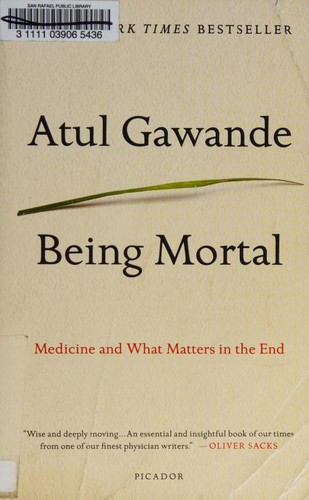
Being Mortal
Atul Gawande
A surgeon's deeply humane exploration of how medicine can better serve people at the end of life — balancing the drive to cure with the need for comfort, dignity, and meaning.
View on AmazonExplore other subjects
Foundations
Social Sciences
Humanities & Arts